
Demolition and site clearance UK

Demolition and Site Clearance

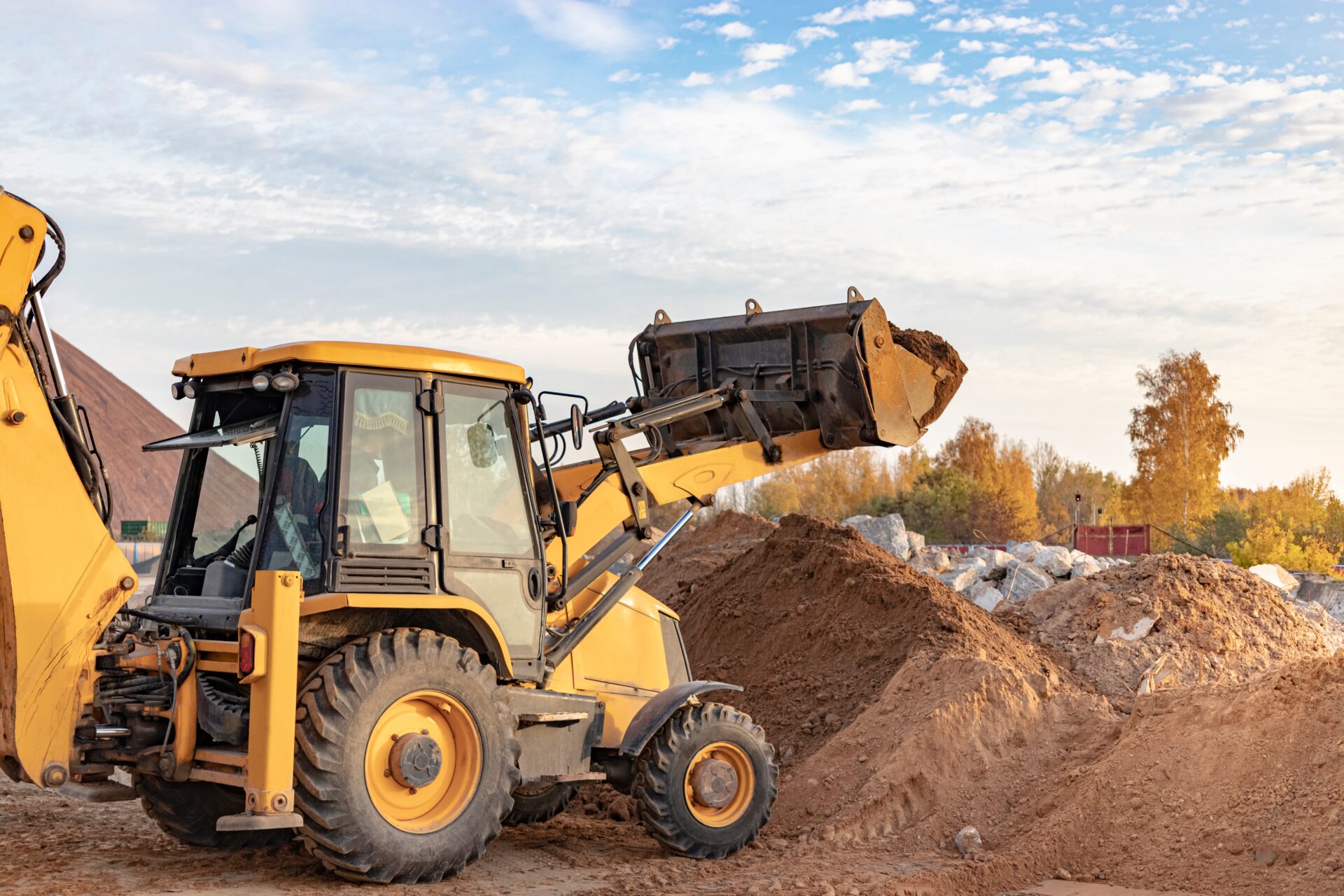
Demolition and site clearance are crucial steps in preparing a site for new construction. The process involves the safe and efficient removal of existing structures, debris, and hazardous materials. This ensures a clean and stable foundation for future development. Proper planning and execution are essential to minimize environmental impact and ensure compliance with local regulations.

Safety is a top priority during demolition and site clearance. Skilled professionals use specialized equipment and techniques to dismantle structures while protecting workers and the surrounding area. Dust control measures and noise reduction strategies are implemented to minimize disruption to nearby communities. This careful approach helps maintain a safe and efficient work environment.

Effective site clearance goes beyond just removing debris. It involves grading the land, managing waste disposal, and preparing the site for construction. This may include soil testing, erosion control, and the installation of temporary utilities. By addressing these factors, the site is made ready for the next phase of development, ensuring a smooth transition from demolition to construction.

demolition clearance
```html Demolition and Site Clearance in the UK

Understanding Demolition and Site Clearance

Demolition and site clearance are crucial processes in the construction industry. They involve the safe and efficient removal of buildings and structures to prepare a site for new development. This process requires careful planning and execution to ensure safety and compliance with regulations.

The Importance of Professional Demolition Services

Professional demolition services are essential for ensuring that a site is cleared safely and efficiently. Experienced demolition contractors have the expertise and equipment necessary to handle complex projects. They ensure that all debris is removed, and the site is prepared for the next phase of construction.

Types of Demolition

There are several types of demolition, each suited to different project needs. Mechanical demolition involves the use of heavy machinery to tear down structures. Implosion uses explosives to bring down large buildings in a controlled manner. Selective demolition focuses on removing specific parts of a structure while preserving others.

Site Clearance: Preparing for the Future

Site clearance is a vital step following demolition. It involves removing debris, hazardous materials, and any remaining structures. This process ensures that the site is safe and ready for new construction. Proper site clearance can prevent future issues and delays in the building process.

Environmental Considerations in Demolition

Environmental concerns are a significant aspect of demolition and site clearance. Contractors must adhere to regulations regarding waste disposal and recycling. Many materials from demolished structures can be recycled, reducing the environmental impact of the demolition process.

Health and Safety in Demolition

Safety is a top priority in demolition projects. Contractors must follow strict health and safety guidelines to protect workers and the public. This includes proper training, use of safety equipment, and adherence to safety protocols throughout the project.

Regulations and Compliance

Demolition and site clearance in the UK are governed by a range of regulations. These include planning permissions, environmental laws, and health and safety standards. Compliance with these regulations is essential to avoid legal issues and ensure the project proceeds smoothly.

Choosing the Right Demolition Contractor

Selecting a qualified demolition contractor is crucial for the success of your project. Look for contractors with a proven track record, appropriate certifications, and a commitment to safety and environmental responsibility. A reliable contractor will guide you through the process and ensure your project is completed on time and within budget.

Innovations in Demolition Technology

The demolition industry is continually evolving with advancements in technology. New machinery and techniques are making demolition safer and more efficient. Innovations such as remote-controlled equipment and advanced recycling methods are transforming how demolition projects are carried out.

Conclusion

Demolition and site clearance are essential components of the construction process. With the right approach and professional expertise, these tasks can be completed safely and efficiently, paving the way for new developments and opportunities. ```

UK Info

```html Information about the UK

United Kingdom

Weather

The UK experiences a temperate maritime climate. Summers are generally warm, with temperatures averaging around 18°C (64°F), while winters are cool, averaging 5°C (41°F). Rainfall is common throughout the year.

Local Time

The UK operates on Greenwich Mean Time (GMT) during the winter months and British Summer Time (BST), which is GMT+1, during the summer months.

Population

The population of the United Kingdom is approximately 67 million people, making it one of the most populous countries in Europe.

Restaurants

```